
Dance is one of the oldest and most beautiful forms of human expression, reflecting the traditions, emotions, and stories of diverse cultures across the world. Each dance form carries its own unique rhythm, style, costume, and purpose—whether it is performed in devotion, celebration, storytelling, or pure artistic expression.
From the vibrant energy of folk dances like Garba, Maniaro Ras, Kanabi Ras, Bhangra, and Lavani, to the spiritual grace of classical styles such as Bharatanatyam, Kathak, Odissi, and Kuchipudi, every form showcases the richness of its region. Modern genres like Hip-Hop, Contemporary, Jazz, and Bollywood blend creativity with global influence, appealing to newer generations.
This collection brings together the beauty of all dance forms—traditional, classical, and modern—highlighting their cultural significance, unique movements, colorful costumes, and the emotions they evoke. Whether you are a learner, performer, or admirer, exploring these dance forms opens a doorway to understanding the diversity and artistic brilliance of human culture.

Palli-Jag-Garbo – Traditional Gujarati Folk Devotional Dance
Palli-Jag-Garbo is a devotional folk dance from Gujarat, deeply rooted in rural traditions and performed especially during festivals like Navratri. The word “Garbo/Garba” refers to a circular form of dance symbolizing the cycle of life, while “Palli-Jag” represents the village community, its collective spirit, and worship rituals.
This dance is performed in a circular formation, where villagers—often dressed in vibrant traditional attire—move rhythmically around a central symbol such as a Garbo (earthen pot) or a deep (lamp). The pot represents divine energy, while the rhythmic steps honor Goddess Amba. The dance is accompanied by traditional instruments such as dhol, nagada, and shehnai, creating a soulful and energetic atmosphere.
Palli-Jag-Garbo beautifully reflects rural life, unity, devotion, and the cultural heritage of Gujarat. It is not just a dance but a spiritual offering, celebrating the bond between people, nature, and divine power.

Maniaro Ras – A Joyful Gujarati Folk Dance of Celebration
Maniaro Ras is a lively and expressive folk dance of Gujarat, traditionally performed during festive occasions, community gatherings, and especially during Navratri. Known for its playful energy, Maniaro Ras features quick, coordinated footwork, graceful hand movements, and rhythmic claps that sync perfectly with the vibrant beats of dhol, dholak, and ras garba music.
The word “Maniaro” is associated with joy, fun, and festivity, which reflects perfectly in the dance. Dancers often perform in colorful traditional attire—women in chaniya cholis and men in kediyu-dhotis—moving in circles or pairs with bright expressions and high enthusiasm.
This dance celebrates togetherness, community spirit, and cultural pride, making it a beloved highlight of Gujarati folk traditions.
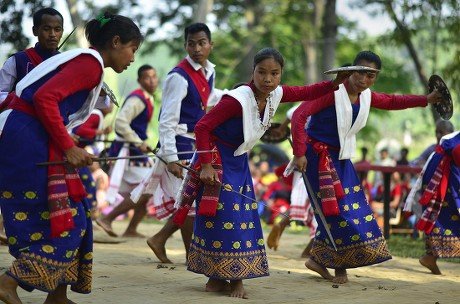
Kanabi Ras – A Tribal Folk Dance Rich in Rhythm & Heritage
Kanabi Ras is a traditional folk dance performed by the Kanabi community of Gujarat, known for its strong rustic charm and powerful rhythms. This dance form carries the cultural essence of tribal Gujarat, showcasing the community’s deep connection with nature, tradition, and daily life.
Kanabi Ras is performed with vigorous, earthy movements, strong footwork, and coordinated group formations. The music typically includes tribal percussion instruments, creating a raw and energetic atmosphere. The dancers, dressed in vibrant, hand-crafted tribal attire, move in harmony to celebrate moments of joy, harvest, unity, and cultural identity.
Rich in cultural storytelling, Kanabi Ras is not just a performance—it is a living representation of the Kanabi community’s heritage, emotions, and way of life.

Dangi Nritya (Kahalya) – The Rhythmic Tribal Dance of the Dangi Community
Dangi Nritya, also known as Kahalya, is a traditional tribal dance performed by the Dangi community living in the lush forest regions of Dang district in Gujarat. This dance beautifully reflects the harmony between the Dangi people and nature, showcasing their lifestyle, unity, and vibrant cultural spirit.
Men and women typically dance together in long chains or circles, holding hands or forming patterns that flow like waves—symbolizing the hills, rivers, and forests surrounding them.
The dancers wear colorful traditional attire, adorned with beads, ornaments, and natural motifs, adding to the authenticity and visual beauty of the performance.
Dangi Nritya (Kahalya) is more than just a dance—it is a heartfelt celebration of nature, community, and tribal heritage, passed down through generations with pride and devotion.
Hudo – The Energetic Folk Dance of the Bharwad Community
Hudo is a lively and powerful folk dance performed by the Bharwad community of Gujarat, traditionally known for their pastoral lifestyle and deep connection with cattle and nature. This dance is an important part of Bharwad culture, often performed during festivals, weddings, community gatherings, and seasonal celebrations.
Hudo is known for its dynamic steps, strong footwork, and rhythmic jumps that reflect the community’s vibrant spirit.
Men—and sometimes women—dance in a circular formation, striking their feet and clapping in perfect coordination.
The dance is accompanied by fast-paced beats from instruments like dhol, nagada, and traditional Bharwadi singing, creating a festive and powerful atmosphere.
Hudo is not just a dance; it is a reflection of the Bharwad community’s lifestyle—full of energy, joy, resilience, and harmony with nature. It preserves their cultural stories, values, and identity, passed down through generations with pride.

Tippani – The Rhythmic Folk Dance of Saurashtra’s Working Women
Tippani is a traditional folk dance from the Saurashtra region of Gujarat, originally performed by rural working women. It began as a rhythmic activity used during construction and agricultural tasks, where coordinated movements made heavy work easier and helped maintain a steady pace. Over time, this functional work rhythm evolved into a vibrant cultural dance form.
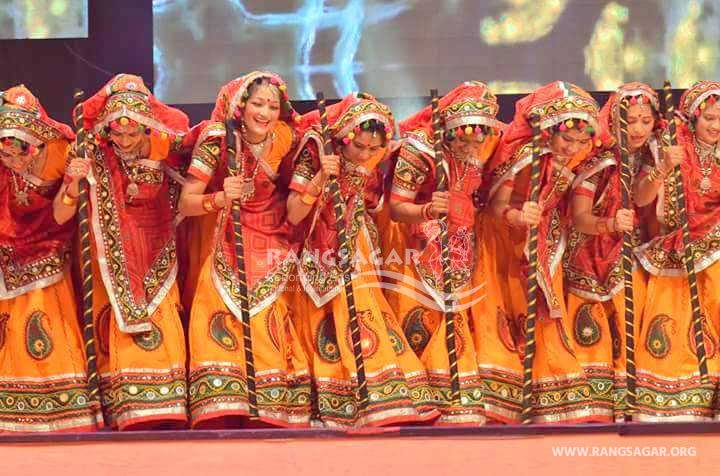
In Tippani, women stand in two opposite rows holding long wooden sticks called Tippani. They strike the ground in a rhythmic pattern while moving their feet and bodies in synchronization. The strong, coordinated beats create a powerful percussive sound that forms the backbone of the performance. Traditional folk songs and instruments like dhol and shehnai enhance the dynamic atmosphere.
The dance’s visual appeal lies in its combination of strength and grace. Women dressed in colorful chaniya-cholis move in perfect harmony, turning a simple work activity into a captivating performance. The formations, patterns, and synchronized movements highlight unity and teamwork within the community.